Solving the Right-of-Way Bottleneck
Electricity consumption is escalating rapidly due to industrial growth, electric mobility, and digital infrastructure. However, power utilities worldwide face a common roadblock. Acquiring new Right-of-Way (ROW) land for transmission lines is increasingly difficult, slow, and expensive.
To bypass ROW constraints, utilities are turning to advanced conductor technology that doubles the capacity of existing transmission corridors without requiring new tower construction.
Breakthrough Capabilities of ACCC Technology
- Aerospace-Grade Core Construction: CTC Global’s ACCC (Aluminum Conductor Composite Core) replaces conventional steel core wire with a hybrid carbon and glass fiber core bound in high-temperature resin. It utilizes T700 carbon fiber, making it 75% lighter and 50% stronger than steel.
- Double the Power with Lower Losses: Because the composite core does not suffer thermal sag at high operating temperatures, ACCC conductors can deliver twice the power transfer capacity (2x ampacity) of traditional ACSR conductors. At equivalent ampacity, its smooth trapezoidal aluminum strands reduce electrical line losses by 20% to 23%.
- InfoCore Post-Installation Verification: Incorporating embedded optical fibers within the carbon core allows field crews to transmit light through the core after stringing. This confirms visual proof of core integrity prior to energization.
Real-World Case Study: Impact in Sri Lanka
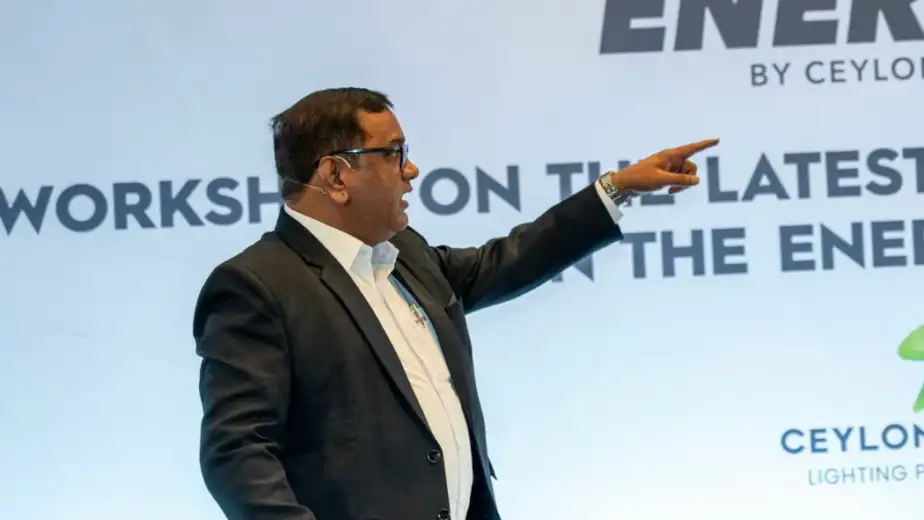
Worldwide, over 200,000 km of ACCC conductor has been deployed across 1,650+ projects in 70 countries. In Sri Lanka, reconductoring Ceylon Electricity Board (CEB) lines with ACCC Hamburg conductors avoided massive land acquisition while significantly boosting grid efficiency.
Key Takeaways
Future-proofing the grid requires planning decades ahead. High-capacity composite conductors enable power systems to absorb massive renewable integration and load growth immediately while preserving land and reducing carbon footprints.